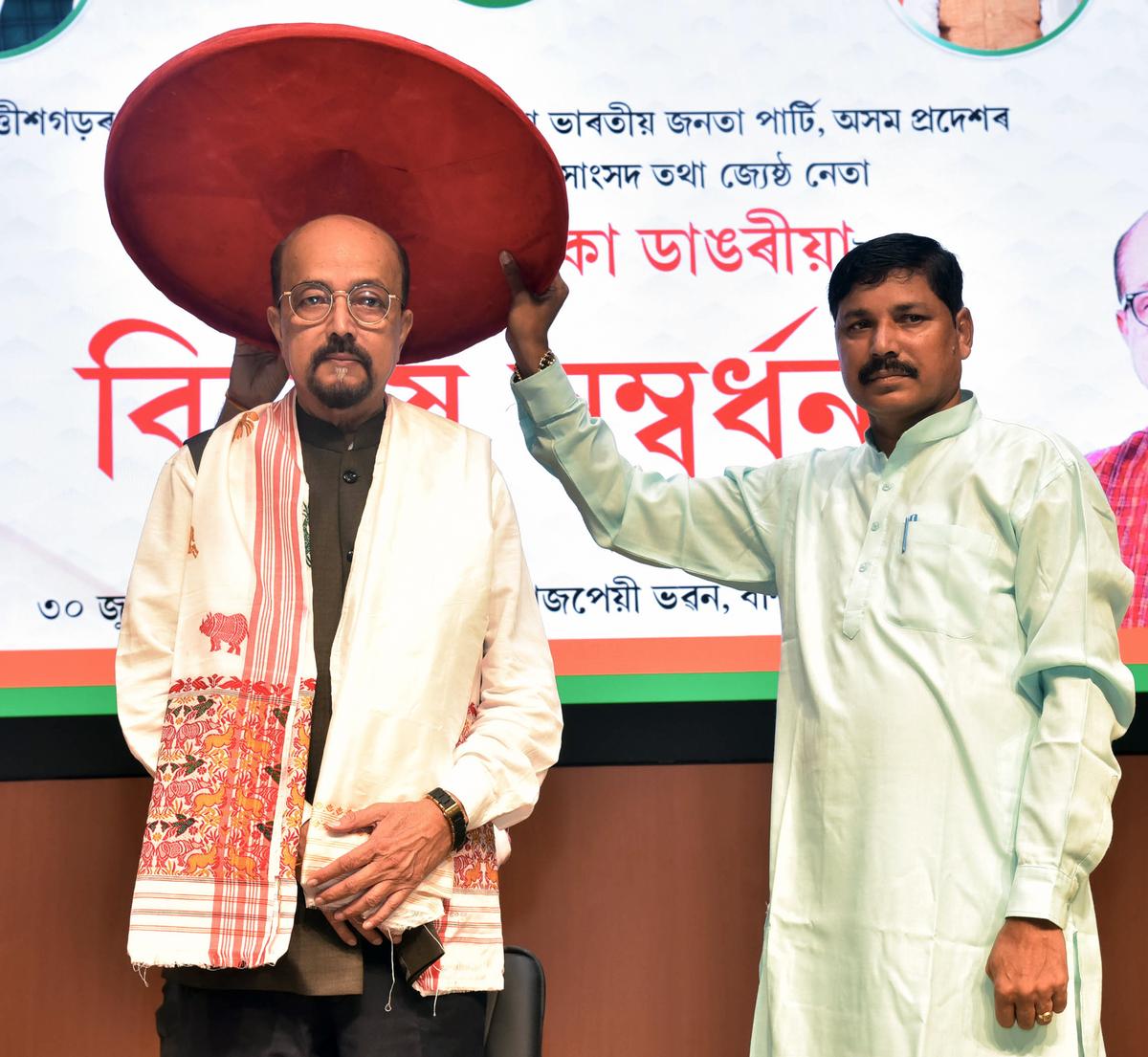
Biography

About Ramen Deka

The story of a grassroots leader who rose through the ranks of Indian democratic politics to serve as a parliamentarian, a national party strategist, and the constitutional head of a major Indian state.

Origins

Early Life & Regional Roots

Ramen Deka was born on 1 March 1954 in the culturally rich and historically significant state of Assam, in India's Northeast. Assam, known for its lush tea gardens, the mighty Brahmaputra River, and a vibrant tradition of democratic activism, provided the formative environment that would shape Deka's worldview and political philosophy. Growing up in this landscape of both natural beauty and socio-political complexity, he developed an early appreciation for the challenges and aspirations of communities living at the margins of India's developmental narrative.

The Northeast of India, during the decades following independence, was a region grappling with questions of identity, integration, and equitable development within the federal framework. Young Ramen Deka witnessed firsthand the tensions between central governance and regional aspirations — an experience that would profoundly influence his later political career and his belief in the importance of bridging the gap between the periphery and the center of Indian politics.

Assam's tradition of social and cultural movements, from the language agitation to the Assam Movement of the early 1980s, created a politically aware citizenry. It was in this milieu that Deka's political consciousness was forged. The values of cultural pride, democratic participation, and social justice that permeated Assamese society became the bedrock of his leadership approach — values he would carry through every stage of his political career.
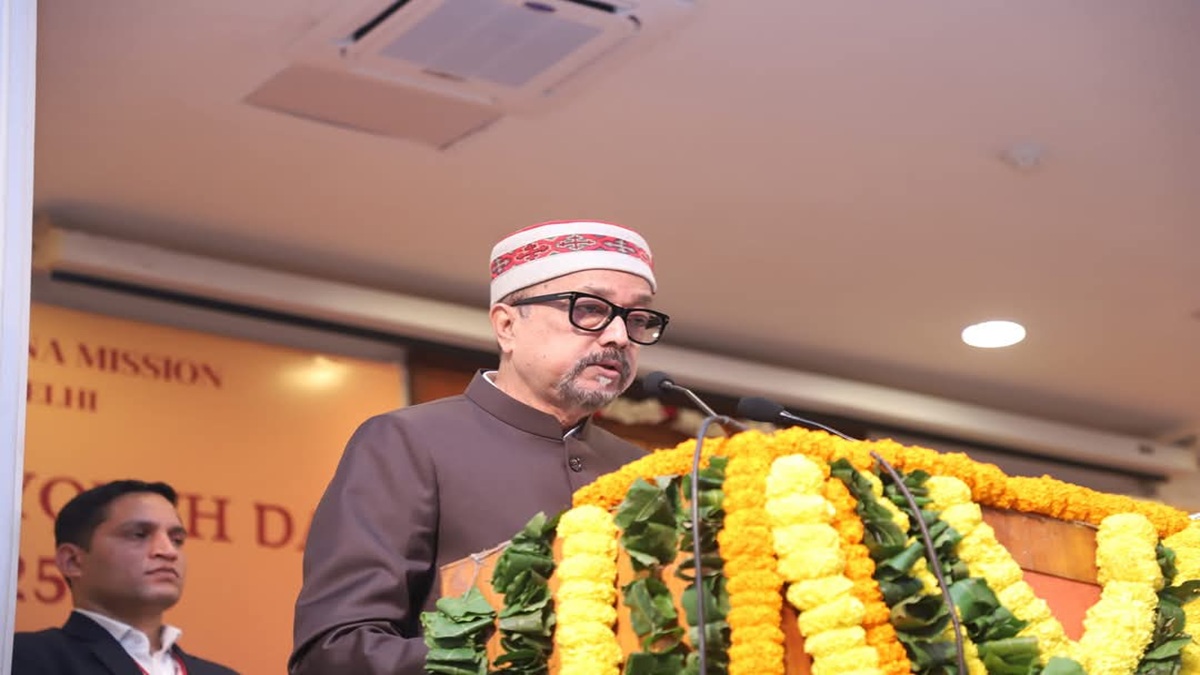
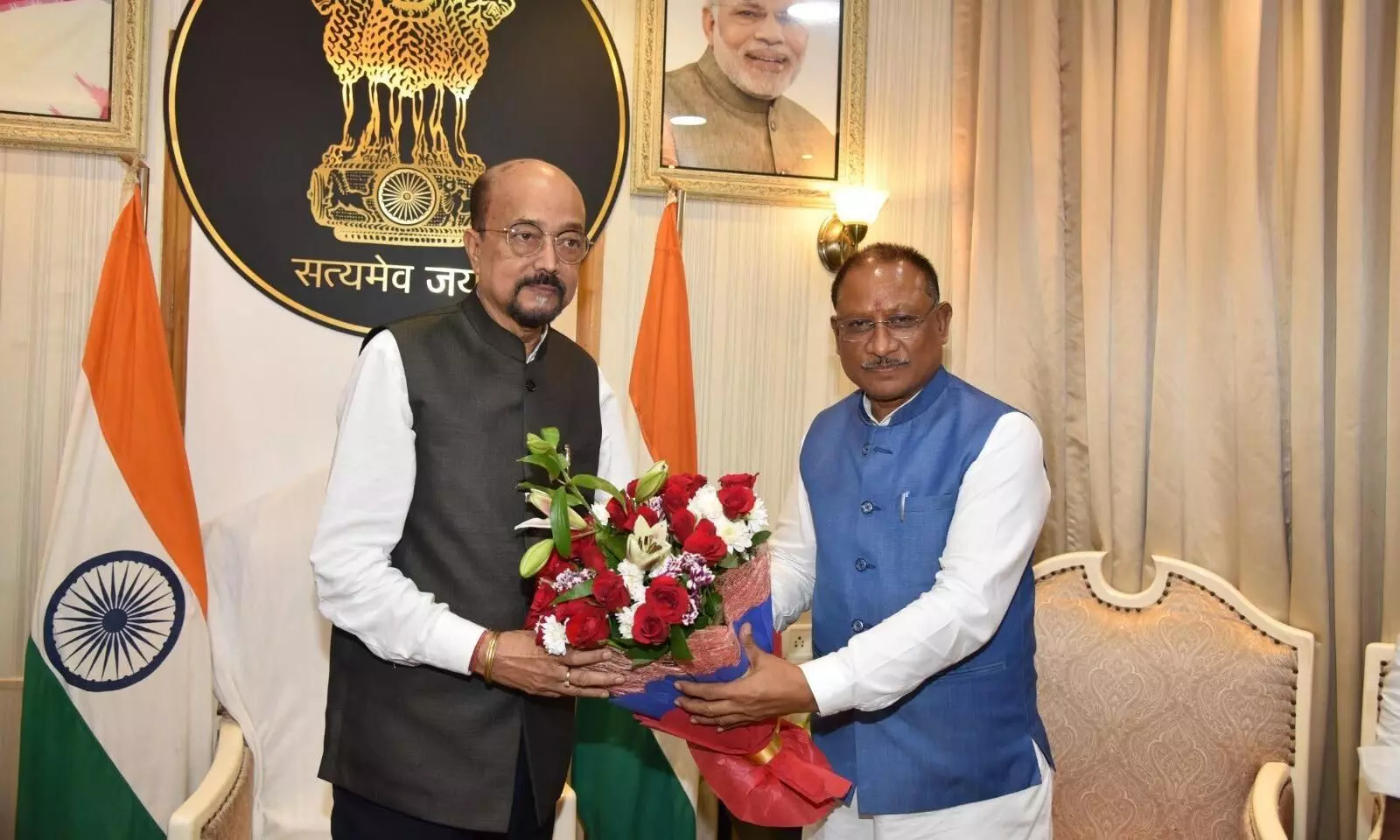
Ramen Deka — Early career
Ramen Deka in political settings
Political Awakening

Entry Into Politics & Growth

Ramen Deka's entry into organized politics was a natural extension of his engagement with the social and cultural movements that characterized Assam in the late twentieth century. He joined the Bharatiya Janata Party, drawn by its ideological commitment to nationalism, cultural heritage, and developmental governance. At a time when the BJP's presence in the Northeast was nascent at best, Deka emerged as one of the key figures committed to building the party's organizational infrastructure from the ground up.

His early political work was marked by an extraordinary willingness to traverse the length and breadth of Assam, engaging with communities at the village and district levels. This grassroots approach was not merely strategic — it reflected a genuine belief that political leadership must emerge from intimate knowledge of the people it seeks to serve. He organized party cadres, established local committees, and worked tirelessly to articulate the BJP's vision in terms that resonated with Assam's diverse electorate.

The transformation of the BJP from a marginal political entity in Assam to a formidable organizational force is, in significant measure, a testament to the foundational work laid by leaders like Ramen Deka. His efforts ensured that the party developed deep roots across the state's constituencies, preparing the ground for the electoral breakthroughs that would follow in subsequent decades.

His rise within the party hierarchy was steady and meritocratic. Each position he held — from local organizer to district leader, from state-level functionary to the President of BJP Assam — demonstrated an increasing capacity for strategic thinking, organizational management, and political communication. He proved equally adept at managing the internal dynamics of a growing political party and at engaging with the broader electorate.

Core Beliefs

Leadership Philosophy

"True leadership in a democracy is not about the accumulation of power but about the responsible stewardship of public trust. Every decision must be measured against its impact on the most vulnerable sections of society."

— Ramen Deka

Democratic Accountability

At the heart of Ramen Deka's leadership philosophy lies an unwavering commitment to democratic accountability. He believes that elected representatives and constitutional authorities alike must remain answerable to the citizens they serve. This conviction has guided his conduct across every role — from party organizer to parliamentarian to Governor. He has consistently advocated for transparency in governance, institutional integrity, and the primacy of democratic processes in resolving political and social challenges.

Inclusive Development

Having emerged from a region that has historically felt marginalized within India's developmental paradigm, Ramen Deka's approach to governance is centered on inclusion. He firmly believes that the benefits of economic growth, infrastructure development, and social welfare must reach every section of society, irrespective of geography, ethnicity, or economic status. This philosophy of inclusive development has informed his parliamentary interventions, his organizational strategies, and his approach to constitutional governance.

Cultural Rootedness

Ramen Deka's political vision is deeply informed by his cultural identity. He views India's cultural diversity not as a challenge to be managed but as a strength to be celebrated. His leadership consistently emphasizes the importance of respecting and preserving the cultural traditions of every region while fostering a sense of national belonging. This approach has been particularly significant in his role as Governor, where he has sought to understand and engage with Chhattisgarh's rich tribal and cultural heritage.

Institutional Respect

Throughout his career, Ramen Deka has demonstrated a profound respect for India's democratic institutions. Whether in Parliament, within the party organization, or in the Raj Bhavan, he has consistently upheld the principles of institutional propriety, separation of powers, and constitutional governance. He understands that the strength of a democracy lies not in the power of individual leaders but in the robustness and integrity of its institutions.

Service Ethos

Public Service Approach

Ramen Deka's approach to public service is characterized by a rare combination of ideological conviction and pragmatic governance. He believes that effective public service requires not only a clear vision of societal goals but also the practical wisdom to navigate the complex realities of administration, resource allocation, and political consensus-building.

His tenure as a Member of Parliament was marked by a particular focus on constituency development. He worked assiduously to bring central government resources and attention to the development needs of Mangaldoi and the broader region. Infrastructure projects, educational initiatives, and healthcare improvements were priority areas in which he invested considerable parliamentary effort. His interventions in parliamentary debates consistently highlighted the development disparities affecting the Northeast and advocated for targeted policy responses.

As BJP Assam President, he transformed the state unit into a well-organized, cadre-driven political machine. His organizational approach combined grassroots mobilization with strategic communication, ensuring that the party's message reached every constituency. This organizational work was not merely about electoral success — it was about creating a platform through which citizens could meaningfully participate in the democratic process.

In his current role as Governor, Ramen Deka has brought this same spirit of service to constitutional governance. He has focused on strengthening the interface between the Raj Bhavan and the institutions of higher education, tribal welfare, and rural development, using the Governor's constitutional position to advocate for the most underserved communities within Chhattisgarh.

Governor Ramen Deka distributing study materials
Governor Deka distributing study materials to students
Ramen Deka in public service
Engaging with communities and institutions
Career Overview

Key Milestones at a Glance

1954

Birth

Born in Assam, India — a region of profound cultural heritage and democratic traditions.

2

Lok Sabha Terms

Represented Mangaldoi in the 15th and 16th Lok Sabha, advocating for Northeast development.

2024

Governor

Appointed Governor of Chhattisgarh, bringing constitutional wisdom to governance.