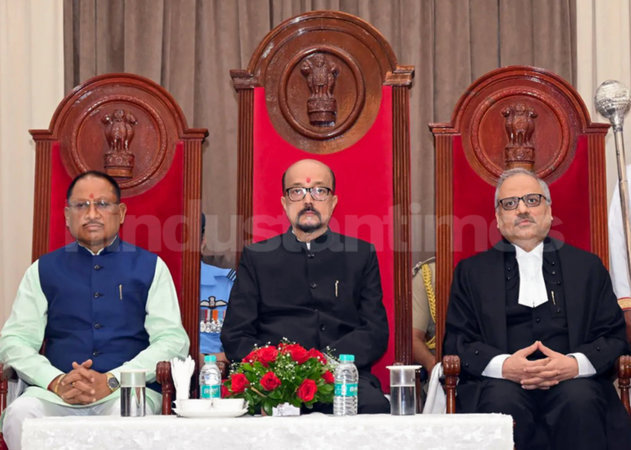
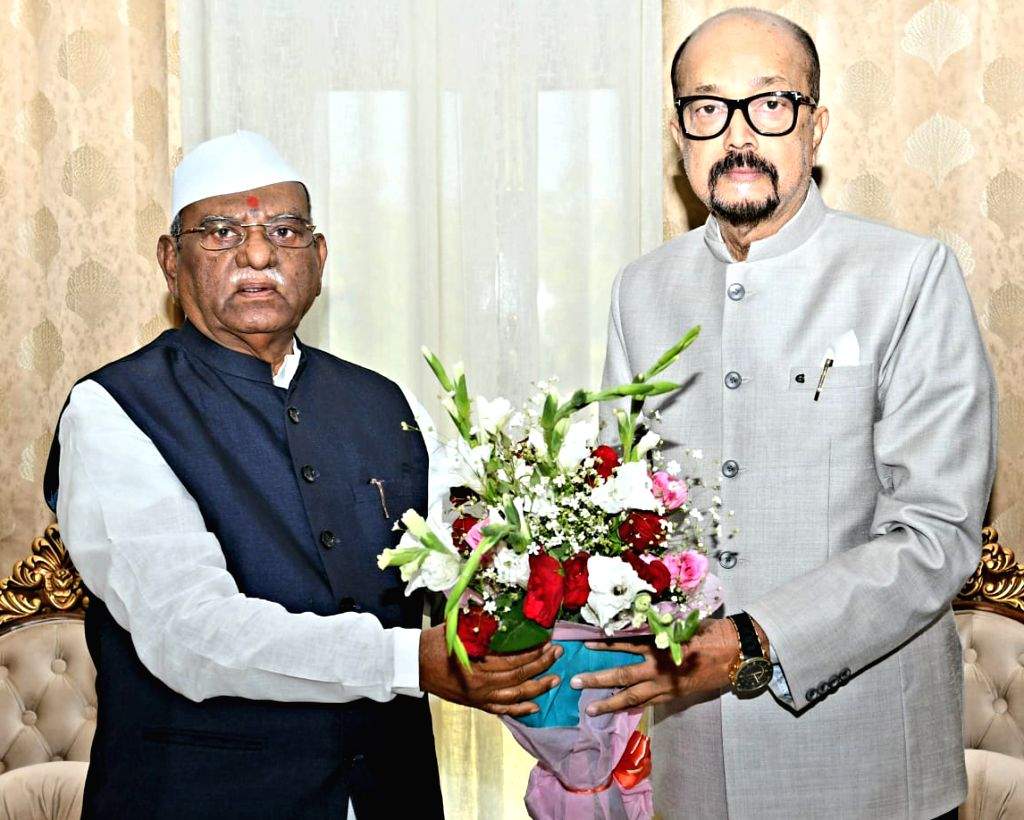
As Governor of Chhattisgarh since July 2024, Ramen Deka embodies the constitutional ideal of a non-partisan, institutional guardian — steering governance with wisdom, propriety, and a deep respect for democratic processes.
Ramen Deka assumed the office of Governor of Chhattisgarh in July 2024, bringing to the Raj Bhavan a wealth of political experience spanning over four decades. His appointment marked a significant moment in his career — a transition from the arena of active party politics and parliamentary engagement to the constitutionally defined role of the state's titular head.
The office of the Governor, as envisioned by the framers of the Indian Constitution, serves as a vital link between the Union government and the state. Under Articles 153 to 167 of the Constitution of India, the Governor exercises a range of executive, legislative, and discretionary functions that are critical to the smooth functioning of the state's democratic machinery. Ramen Deka has approached these responsibilities with the seriousness and decorum they demand, drawing upon his parliamentary experience to navigate the complex institutional dynamics of state governance.
Chhattisgarh, a state carved from Madhya Pradesh in the year 2000, presents a unique set of governance challenges and opportunities. Rich in mineral resources and tribal heritage, the state requires a Governor who can balance developmental imperatives with the protection of vulnerable communities. Ramen Deka's background in Northeast Indian politics — a region similarly characterized by ethnic diversity and developmental aspirations — has equipped him with the sensitivity and strategic perspective needed for this role.
Since assuming office, Governor Deka has focused on strengthening institutional processes, engaging with the judiciary, the legislature, and the executive in a manner that reinforces constitutional propriety. His approach to the gubernatorial role has been characterized by restraint, consultation, and a deep respect for the elected government's mandate, while ensuring that the constitutional safeguards for democratic governance remain robust.
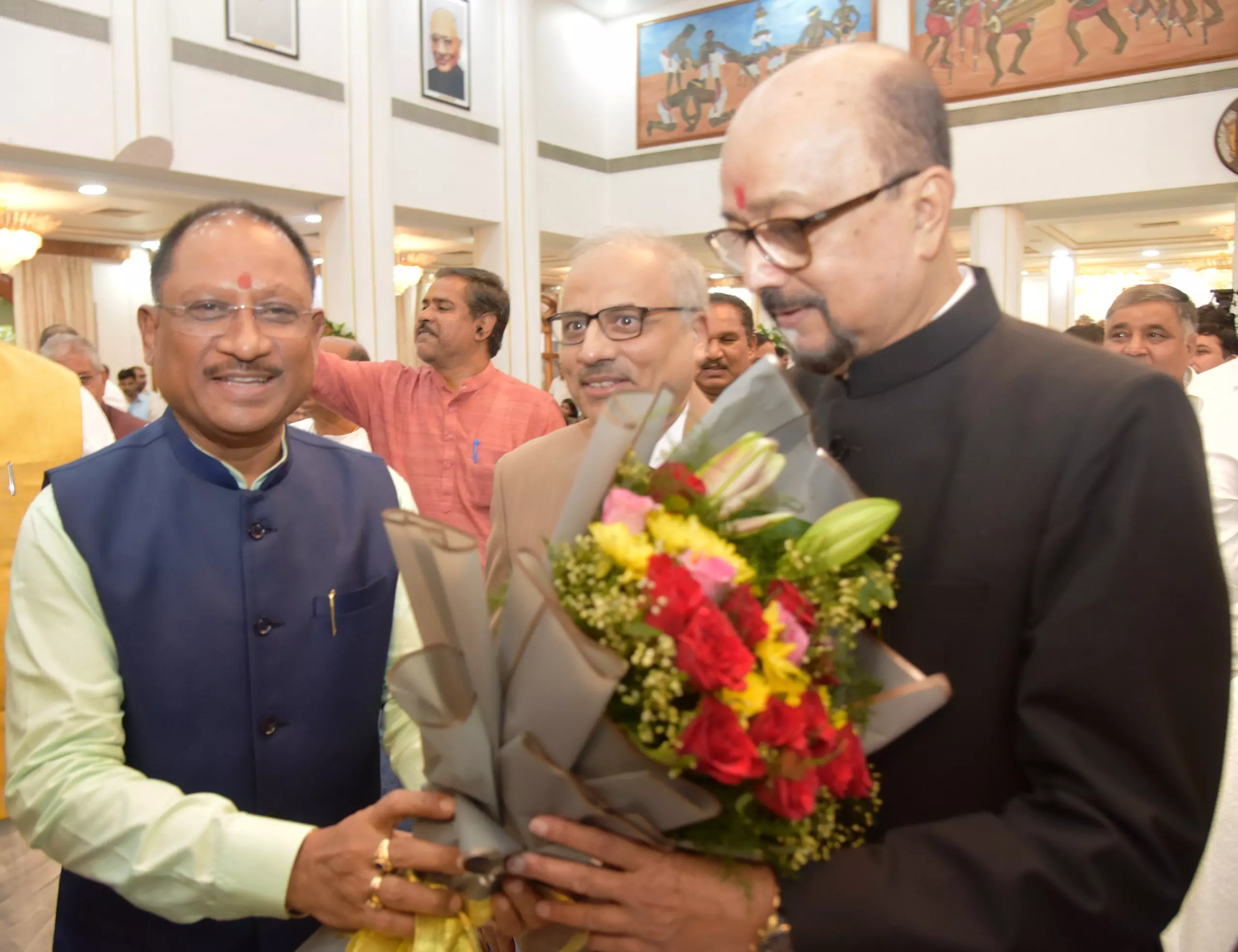
The Governor of an Indian state exercises a multifaceted constitutional role, encompassing executive authority, legislative functions, and discretionary powers.
As the constitutional head of the state, all executive actions of the state government are formally taken in the Governor's name. This includes the appointment of the Chief Minister and the Council of Ministers, the Advocate General, and members of the State Public Service Commission. Governor Deka discharges these responsibilities with careful attention to constitutional conventions and the principles of cooperative federalism.
The Governor is an integral part of the state legislature. Governor Deka addresses the state assembly at the commencement of each session, summons and prorogues sessions, and gives assent to bills passed by the legislature. His parliamentary background brings a nuanced understanding of legislative processes to these functions, ensuring that the Governor's legislative role is discharged with institutional sensitivity.
In certain constitutionally defined situations, the Governor exercises discretionary powers — including recommending President's Rule, reserving bills for presidential consideration, and appointing the Chief Minister when no party has a clear majority. Governor Deka's extensive political experience equips him with the judgment and wisdom required for these sensitive constitutional functions.
As Governor, Ramen Deka serves as the Chancellor of state universities in Chhattisgarh. This role has enabled him to engage deeply with the higher education ecosystem, advocating for academic excellence, research innovation, and the development of educational institutions that can prepare the state's youth for the challenges of a knowledge economy. He has taken particular interest in strengthening university governance and ensuring academic autonomy.
Chhattisgarh is home to one of the largest tribal populations in India, and the Governor has a special constitutional responsibility towards the welfare and rights of Scheduled Tribes. Governor Deka, drawing on his experience in Assam's multi-ethnic political landscape, has been particularly attentive to this aspect of his role, ensuring that tribal welfare programs are effectively implemented and that the constitutional protections for tribal areas under the Fifth Schedule are rigorously maintained.
Ramen Deka's governance style as Governor of Chhattisgarh reflects the maturity of a leader who has traversed the full spectrum of Indian political life — from grassroots organizing to parliamentary deliberation to constitutional authority. His approach is characterized by several distinctive elements that set the tone for his gubernatorial tenure.
Consultative Decision-Making: Rather than adopting a top-down approach, Governor Deka consistently seeks the counsel of constitutional authorities, legal experts, and administrative officials before making significant decisions. This consultative approach ensures that gubernatorial actions are not only constitutionally valid but also politically wise and administratively feasible.
Institutional Strengthening: A central theme of his governance has been the strengthening of institutional processes within the state. He believes that durable governance outcomes emerge not from individual interventions but from robust institutional frameworks that outlast any individual office-holder.
Accessibility and Engagement: Despite the formal ceremonial nature of the Governor's office, Ramen Deka has maintained a practice of direct engagement with citizens, civil society organizations, academic institutions, and cultural bodies. This accessibility reflects his grassroots political origins and his conviction that constitutional authority must remain connected to the aspirations of ordinary citizens.
Bridge-Building: His unique position as a leader from Assam governing in Chhattisgarh has enabled him to serve as a bridge between two distinct regions of India. He has used this position to foster cultural exchanges, share developmental best practices, and strengthen the bonds of national unity through institutional cooperation and mutual understanding.
Governor Deka's relationship with the Chhattisgarh Legislative Assembly exemplifies the constitutional ideal of cooperative governance between the executive and legislative branches. His gubernatorial addresses to the assembly have been noted for their substance and their emphasis on governance priorities that transcend partisan considerations. He has consistently advocated for legislative reforms aimed at improving the quality of governance and the transparency of administrative processes.
The Governor's engagement with the judiciary reflects an understanding of the critical importance of judicial independence in a constitutional democracy. Governor Deka has participated in judicial functions with a sensitivity that underscores his respect for the separation of powers, while also advocating for improved access to justice in the state's tribal and rural areas where the judicial infrastructure requires significant strengthening.
As Chancellor of state universities, Governor Deka has brought renewed focus to the quality of higher education in Chhattisgarh. He has engaged with university administrations on issues of curriculum reform, research funding, faculty development, and student welfare. His vision for Chhattisgarh's universities emphasizes their role as engines of innovation and social mobility, particularly for students from underprivileged backgrounds.
Recognizing the vital role of civil society in a vibrant democracy, Governor Deka has maintained an open dialogue with non-governmental organizations, cultural associations, and community groups across Chhattisgarh. This engagement has been particularly valuable in understanding the ground-level implementation of welfare programs and in amplifying the voices of communities that might otherwise struggle to access the corridors of power.