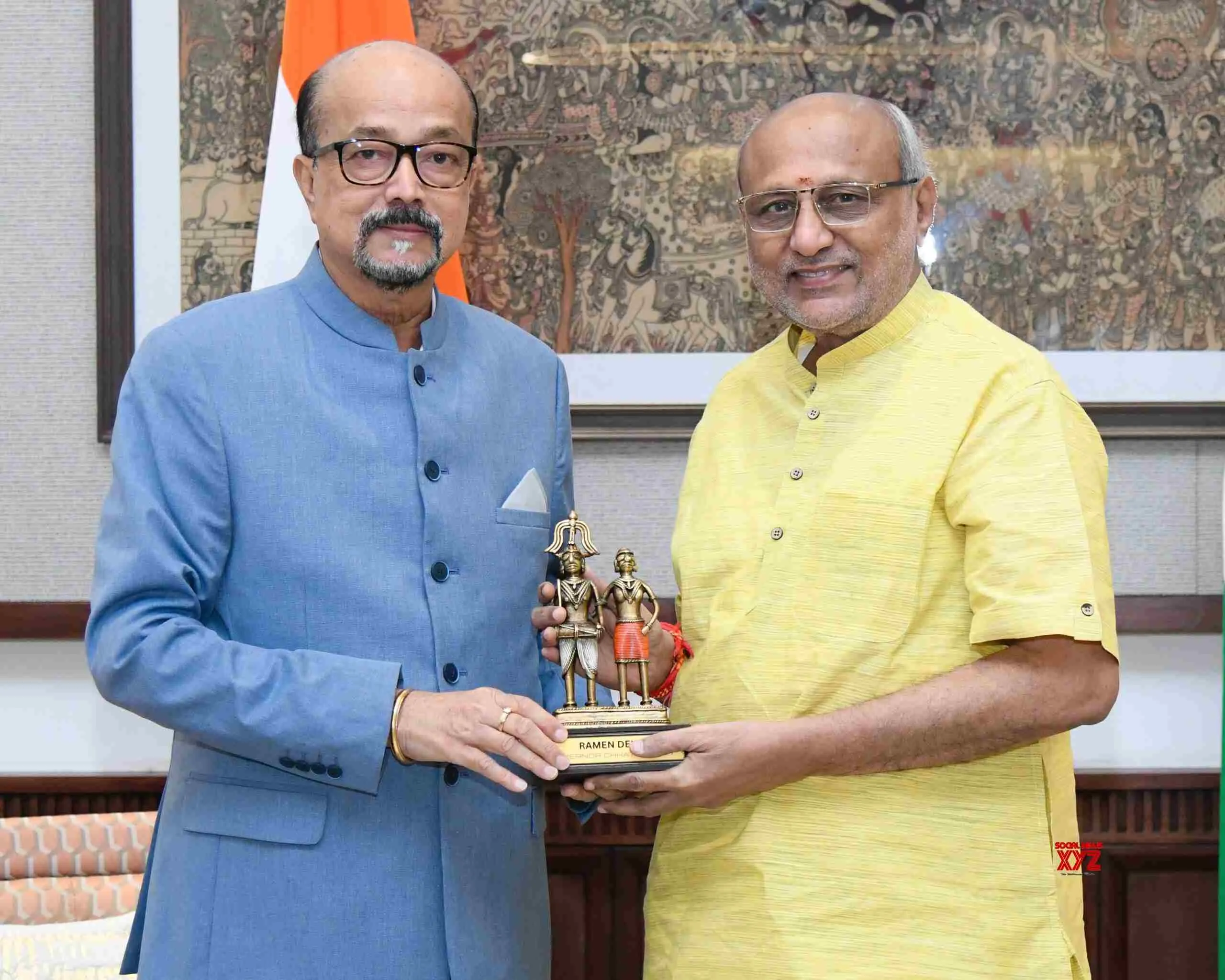
Examining the policy influence, legislative contributions, and governance outcomes shaped by Ramen Deka across his decades of public service — from parliamentary advocacy to gubernatorial stewardship.
Ramen Deka's approach to public policy is informed by a rare combination of grassroots political experience, parliamentary legislative work, and constitutional governance. His policy vision is characterized by an insistence on equity, inclusion, and the recognition that effective policy must be responsive to the specific socio-economic contexts of the communities it seeks to serve.
Throughout his career, Deka has been a consistent voice for policies that address the structural disadvantages faced by India's Northeastern states. He has argued forcefully in Parliament for enhanced budgetary allocations to the region, for the reform of centrally-sponsored schemes to better reflect Northeast-specific challenges, and for the integration of the region into India's broader economic development trajectory through improved connectivity and infrastructure.
His policy analysis extends beyond regional advocacy. As a National Secretary of the BJP, he contributed to the formulation of the party's policy positions on a range of national issues — from governance reform to security policy to social welfare. This experience gave him a comprehensive understanding of India's policy-making ecosystem and the complex interplay between political ideology, administrative capacity, and ground-level implementation.
As Governor, his policy influence operates through different constitutional mechanisms. While the Governor's role is primarily one of oversight and counsel, Deka has used the position to highlight policy gaps, advocate for improved implementation of welfare programs, and draw attention to governance challenges that require urgent attention. His addresses to the state legislature have consistently emphasized the need for evidence-based policy-making, improved administrative accountability, and citizen-centric governance.
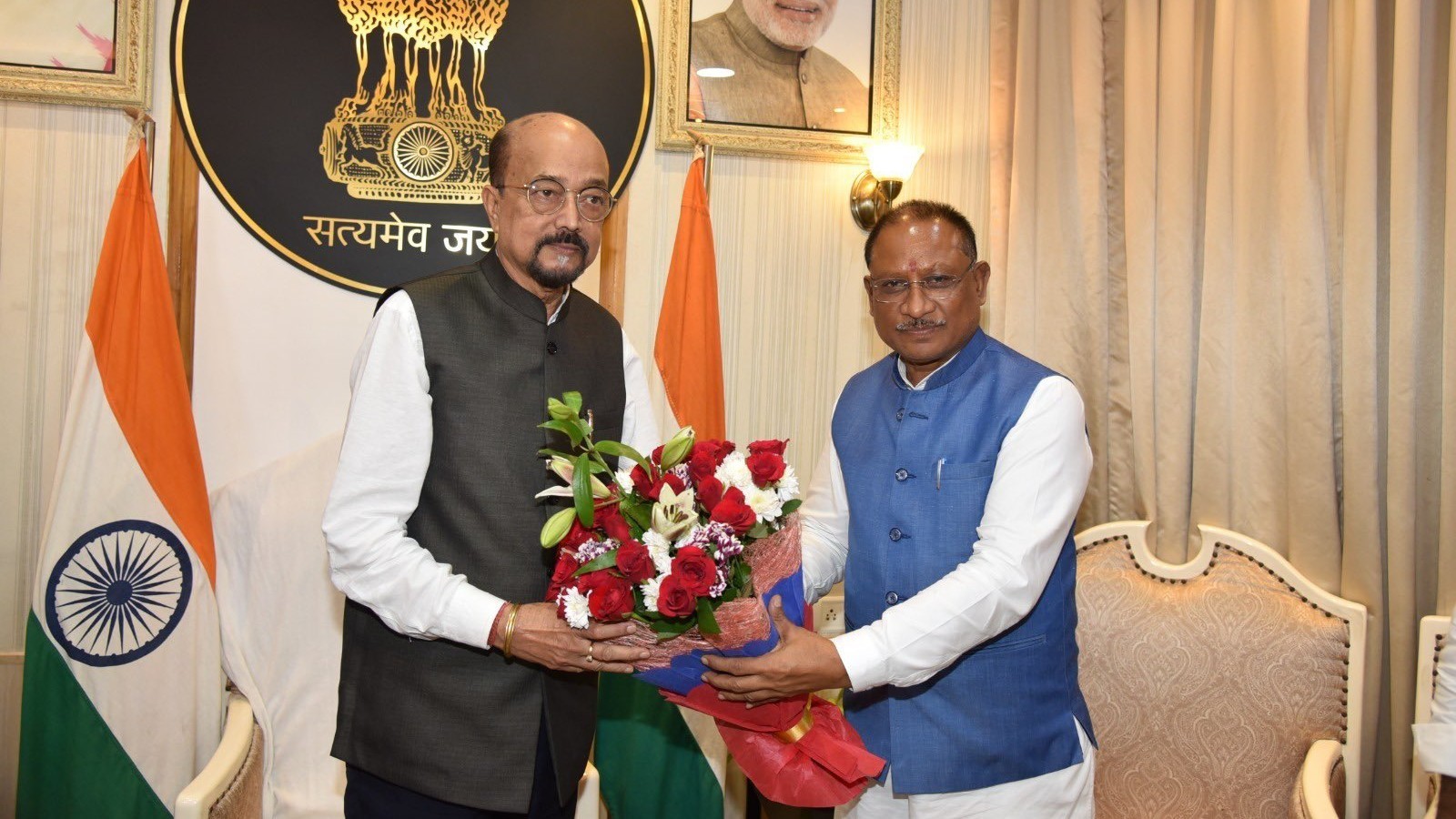
One of Deka's most sustained policy contributions was his advocacy for a comprehensive national flood management policy, particularly focused on the Brahmaputra River basin. He pushed for the creation of a dedicated national authority for Brahmaputra River management, enhanced investment in embankment systems, early warning mechanisms, and permanent rehabilitation infrastructure. His persistent advocacy helped bring national attention to what he termed "India's most predictable yet most inadequately addressed natural disaster."
Deka was a strong proponent of connectivity-led development for the Northeast. He advocates tirelessly for expanded railway networks, improved road connectivity, enhanced air links, and digital infrastructure development in the region. He framed connectivity not merely as an infrastructure issue but as a matter of national integration — arguing that physical disconnection breeds psychological disconnection, and that true national unity requires the elimination of geographical barriers to mobility and commerce.
Recognizing education as the most powerful instrument of social transformation, Deka consistently advocated for increased investment in higher education institutions in the Northeast. He pushed for the establishment of central universities, IITs, and IIIT campuses in the region, and for scholarship programs that would enable students from the Northeast to access educational opportunities across the country. His parliamentary interventions on education policy were informed by a keen awareness of the link between educational access and socio-economic mobility.
Given his constituency's proximity to India's international borders, Deka brought a distinctive perspective to parliamentary debates on national security and border management. He advocated for enhanced border infrastructure, improved conditions for border-guarding forces, and integrated border management systems that address both security imperatives and the livelihood concerns of border-area communities. His approach to security policy was characterized by a balanced emphasis on military preparedness and socio-economic development of border regions.
Deka's parliamentary advocacy on healthcare reflected his firsthand knowledge of the health infrastructure challenges in rural and semi-urban India. He championed the expansion of primary health centres, the deployment of trained medical professionals to underserved constituencies, and the integration of telemedicine and digital health solutions into the public healthcare delivery system. His emphasis on healthcare equity was rooted in the conviction that access to quality healthcare is a fundamental right, not a privilege determined by geography.
Beyond connectivity, Deka's infrastructure advocacy encompassed a broad vision of development that included urban planning, water management, rural housing, and energy infrastructure. He pushed for accelerated implementation of central flagship schemes in his constituency and the broader Northeast, while also advocating for region-specific modifications that would account for the unique geographical and climate challenges of the area.
Ramen Deka's administrative approach is characterized by a distinctive blend of political pragmatism and institutional idealism. He understands that effective governance requires not only sound policy formulation but also robust implementation mechanisms, transparent accountability systems, and genuine responsiveness to citizen feedback.
Evidence-Based Decision Making: Throughout his career, Deka has emphasized the importance of data and evidence in policy formulation and administrative decision-making. He has consistently advocated for the strengthening of statistical systems, the use of technology in governance monitoring, and the integration of academic research into policy processes.
Decentralized Governance: His grassroots political background has made him a strong advocate for decentralization. He believes that effective governance requires empowering local institutions — Panchayati Raj bodies, municipal corporations, and district administrations — with the resources, authority, and capacity needed to address community-specific challenges.
Collaborative Governance: Deka has been a proponent of collaborative governance models that bring together government agencies, civil society organizations, academic institutions, and the private sector in addressing complex developmental challenges. This approach reflects his conviction that governance outcomes improve when diverse stakeholders contribute their expertise and perspectives to the problem-solving process.
The tangible and intangible outcomes of Ramen Deka's decades of public service reflect a commitment to governance that makes a measurable difference in the lives of ordinary citizens.
Perhaps Deka's most consequential governance outcome is the organizational transformation of the BJP in Assam. His systematic approach to party-building — developing cadres, building institutional capacity, and creating communication networks — fundamentally altered the political landscape of one of India's most complex states. The organizational infrastructure he created became the foundation for the party's eventual electoral success, demonstrating that effective governance begins with effective political organization.
During his two parliamentary terms, Mangaldoi witnessed significant improvements in infrastructure, educational access, and administrative responsiveness. While quantifying the impact of a single parliamentarian's efforts within the broader development ecosystem is inherently complex, the sustained trust placed in him by the electorate — reflected in his re-election — suggests that his constituents perceived tangible improvements in their quality of life and access to governmental services.
Deka's consistent parliamentary advocacy on Northeast-specific issues contributed to a gradually evolving national consciousness about the region's developmental needs. His persistence in raising issues such as flood management, connectivity, and educational access helped mainstream these concerns within the national policy discourse, contributing to enhanced budgetary allocations and policy attention to the Northeast during the period of his parliamentary service.
As Governor, Deka's focus on institutional strengthening has begun to yield results in the form of improved university governance, enhanced attention to tribal welfare programs, and a more structured interface between the Raj Bhavan and the state's administrative machinery. While his gubernatorial tenure is still evolving, the institutional foundations he is laying are designed to produce governance outcomes that extend well beyond his individual tenure.