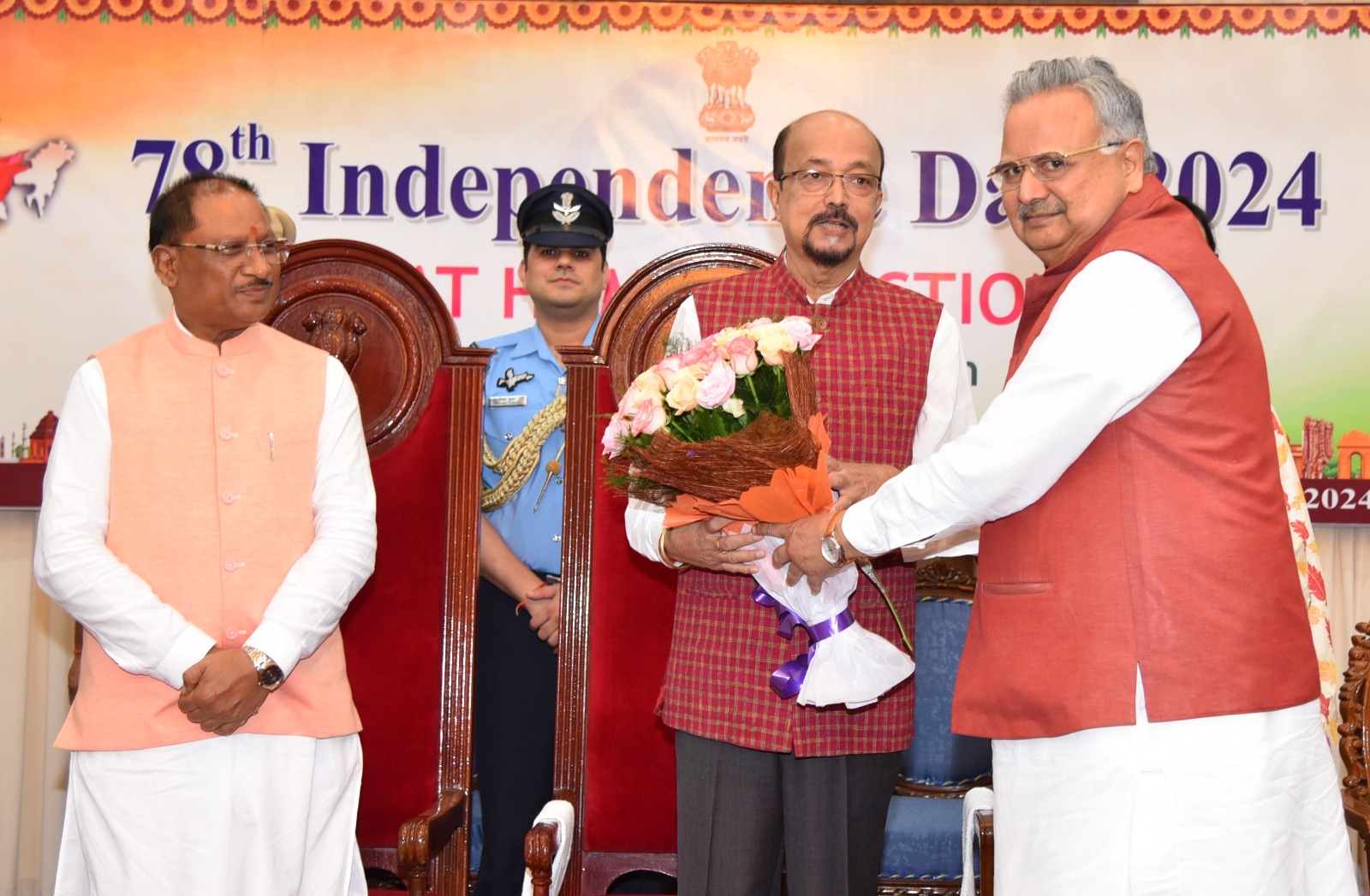
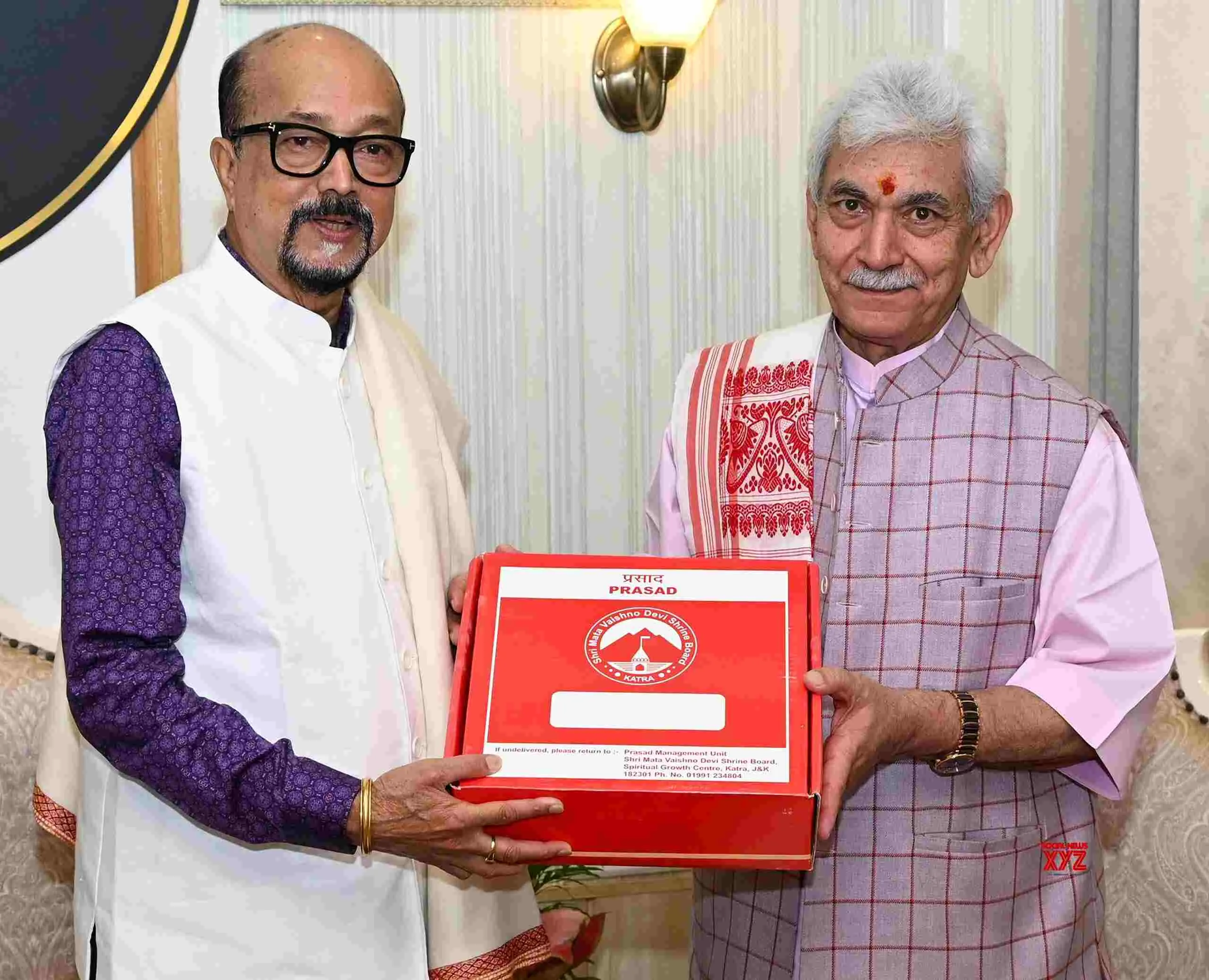
From the Brahmaputra's verdant plains to the mineral-rich forests of central India — a leadership narrative that bridges two of India's most distinct regions through governance, culture, and shared developmental aspirations.
Assam is not merely Ramen Deka's birthplace — it is the crucible in which his political identity, leadership philosophy, and governance approach were forged. The state's complex socio-political landscape, its rich cultural traditions, and its enduring developmental challenges have profoundly shaped the leader he became.
Assam's political history is characterized by a unique interplay of identity politics, resource-driven conflicts, demographic anxieties, and aspirations for equitable development within India's federal structure. The Assam Movement of the 1980s, one of the most significant mass mobilizations in post-independence India, created a generation of politically aware citizens who demanded accountability, governance reform, and the protection of indigenous rights. It was in this politically charged atmosphere that Ramen Deka's political consciousness took root.
The challenges of building a national party's infrastructure in a state dominated by regional political forces required extraordinary organizational acumen, political sensitivity, and strategic patience. Deka navigated these challenges with a distinctive combination of ideological commitment and cultural sensitivity, ensuring that the BJP's message was articulated in ways that resonated with Assam's diverse communities — from the Brahmaputra valley to the Barak valley, from urban centers to rural hinterlands.
His political work in Assam was not limited to party organization. He engaged actively with the state's civil society, university communities, media establishments, and cultural organizations, building a network of relationships that extended far beyond the boundaries of partisan politics. This broad-based engagement gave him a comprehensive understanding of Assam's aspirations and challenges — an understanding that enriched his subsequent parliamentary advocacy and now informs his gubernatorial perspective.
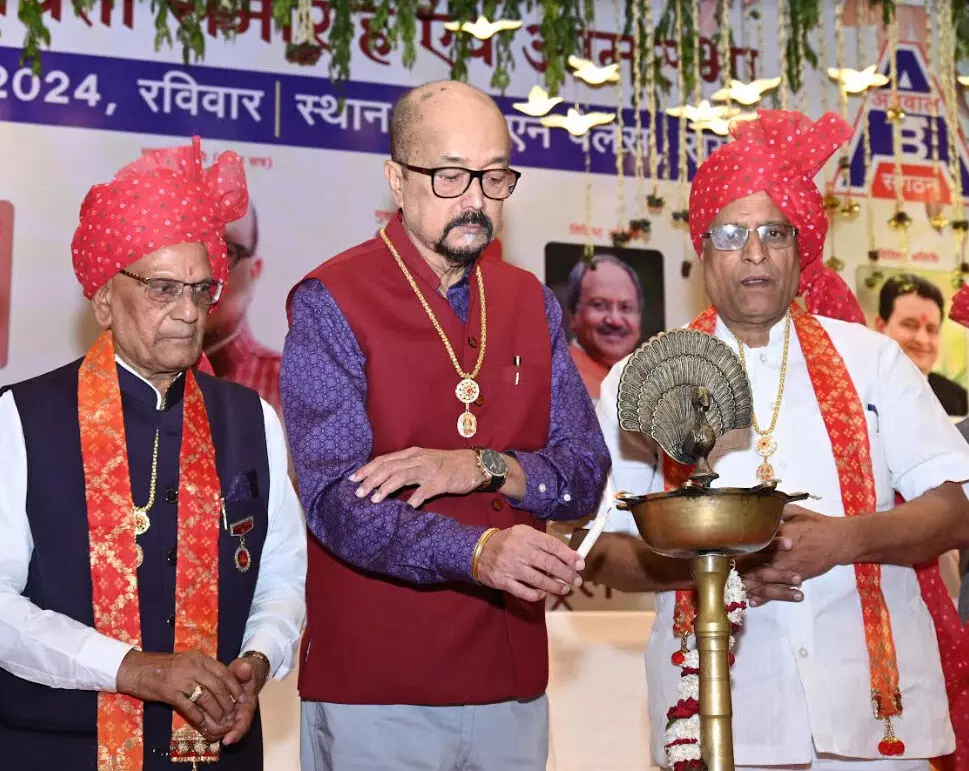
As Governor, Ramen Deka serves as the constitutional head of Chhattisgarh — a young state with ancient traditions, rich natural resources, and complex developmental challenges that demand sophisticated, compassionate governance.
Created as a separate state from Madhya Pradesh on 1 November 2000, Chhattisgarh represents one of the most fascinating governance laboratories in contemporary India. Home to approximately 30 million people, the state encompasses dense forests, mineral-rich landscapes, and one of the largest concentrations of tribal communities in the country. Roughly one-third of its population belongs to Scheduled Tribes, making tribal welfare a central governance priority. Governor Deka has approached this responsibility with the cultural sensitivity developed through his experience in Assam's multi-ethnic political environment.
Chhattisgarh presents a distinctive set of governance challenges: the tension between mineral extraction-driven economic growth and environmental conservation; the imperative to protect tribal rights while facilitating development; the need to extend quality healthcare and education to remote forests and hill areas; and the security challenges posed by Left-Wing Extremism in certain districts. Governor Deka's approach to these challenges draws on his experience in navigating Assam's equally complex governance terrain, applying lessons learned in one context to the unique circumstances of another.
Governor Deka has placed particular emphasis on the implementation of constitutional provisions for tribal welfare in Chhattisgarh. The Fifth Schedule of the Constitution provides a framework for the protection of tribal interests, and the Governor plays a critical role in its enforcement. Deka has used this constitutional mandate to advocate for improved implementation of the Forest Rights Act, enhanced access to healthcare and education in tribal areas, and the preservation of tribal cultural heritage within the broader framework of national development.
As Chancellor of Chhattisgarh's state universities, Governor Deka has championed educational reform and institutional strengthening. He has emphasized the need for universities to serve as engines of regional development, producing graduates equipped with the skills and knowledge needed to address the state's specific governance and developmental challenges. His engagement with educational institutions has included advocacy for improved research infrastructure, faculty development, and the integration of vocational training into higher education curricula.
Ramen Deka's experience across two of India's most developmentally significant regions — the Northeast and central India — has given him unique insights into the nature of regional development in a diverse federal polity.
Connectivity as Development Catalyst: From his work in Assam's connectivity-deprived landscape to his observations of Chhattisgarh's infrastructure challenges, Deka consistently identifies physical and digital connectivity as the single most powerful catalyst for regional development. He argues that connectivity enables market access, educational opportunity, healthcare delivery, and cultural exchange — all essential ingredients of sustainable development.
Cultural Heritage as Development Asset: Unlike many development practitioners who view cultural heritage as separate from or even antithetical to economic development, Deka sees cultural heritage as a developmental asset. He has advocated for the integration of cultural tourism, traditional crafts, and indigenous knowledge systems into regional development strategies, arguing that economic development that ignores cultural identity is both incomplete and unsustainable.
Governance Reform for Development: Deka's central insight on regional development is that governance quality is the most important determinant of developmental outcomes. He has consistently argued that financial resources alone are insufficient — that effective development requires competent, transparent, and accountable governance institutions that can translate policy intentions into ground-level impact.
Youth Empowerment: A recurring theme in Deka's regional development vision is the centrality of youth empowerment. He believes that the demographic dividend can only be realized through massive investments in education, skill development, and entrepreneurship opportunities for young people, ensuring that the next generation has the tools and opportunities needed to drive regional transformation.
Ramen Deka's unique position as an Assamese leader serving as Governor of Chhattisgarh creates an unprecedented opportunity for cultural and administrative bridging between two of India's most distinctive regions.
"The strength of India lies in its diversity — but diversity must be experienced and understood, not merely tolerated. When a leader from the Brahmaputra valley governs in the Mahanadi basin, it is the Constitution's vision of national unity in action."
— Ramen DekaGovernor Deka has actively promoted cultural exchanges between Assam and Chhattisgarh, introducing elements of Assamese cultural tradition — its music, dance, literature, and cuisine — to Chhattisgarh's cultural landscape, while immersing himself in the rich tribal arts, festivals, and traditions of his adopted state.
His gubernatorial tenure has facilitated the cross-pollination of administrative best practices between the Northeast and central India. Governance innovations tested in Assam's challenging terrain are being adapted for Chhattisgarh, while successful approaches from central India are being shared with the Northeast through his extensive networks.
Perhaps the most profound aspect of Deka's inter-regional role is its contribution to national unity. By successfully serving as a bridge between two distant regions, he demonstrates in practice the constitutional vision of a unified Indian nation that transcends regional, linguistic, and ethnic boundaries.